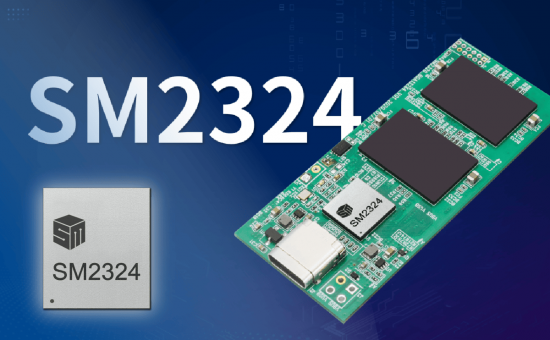
With the data era now in full swing, users' demand for data transfer speed and efficiency is growing at an unprecedented pace. As the latest Universal Serial Bus (USB) standard, USB4 — with its theoretical transfer rate of up to 40Gbps — has emerged as the ideal choice for high-performance portable solid-state drives (PSSDs).
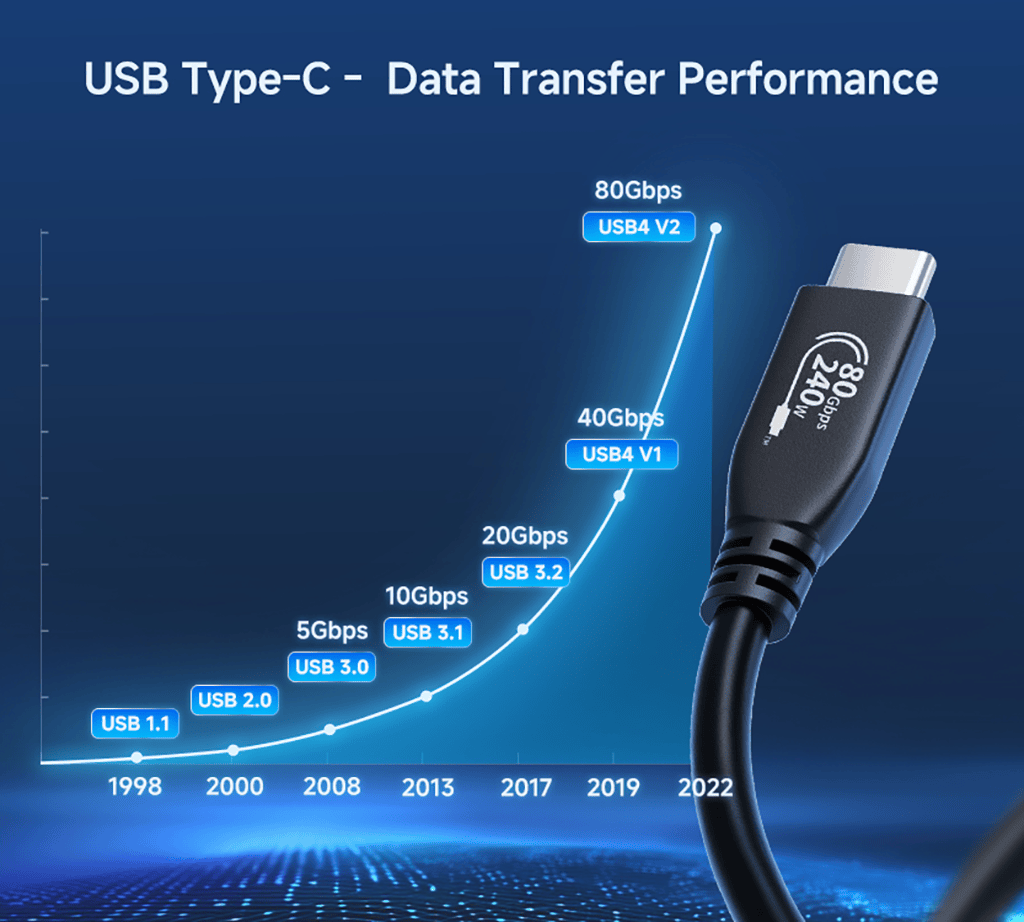
However, with the widespread adoption of USB4 technology, system vendors and ODM/OEM manufacturers are also facing entirely new design challenges. One of the key issues is: why do USB4 portable SSDs need to integrate Power Delivery (PD) functionality?
Fundamental Differences Between USB4 and USB3.2: Transformation in Link Establishment Mechanisms
To understand the importance of PD for USB4, it is first necessary to clarify the fundamental differences in link establishment between USB4 and its predecessor, USB3.2.
In the USB3.2 era, establishing a link between portable SSDs and the host was relatively straightforward. When a user plugged a USB3.2 portable SSD into a compatible interface, the device initiated communication with the host via the standard USB enumeration process, negotiating data transfer rates (e.g., 5Gbps, 10Gbps, or 20Gbps) and establishing the data link. This process primarily focused on setting up the data channel, while power delivery followed the relatively basic USB power specifications.
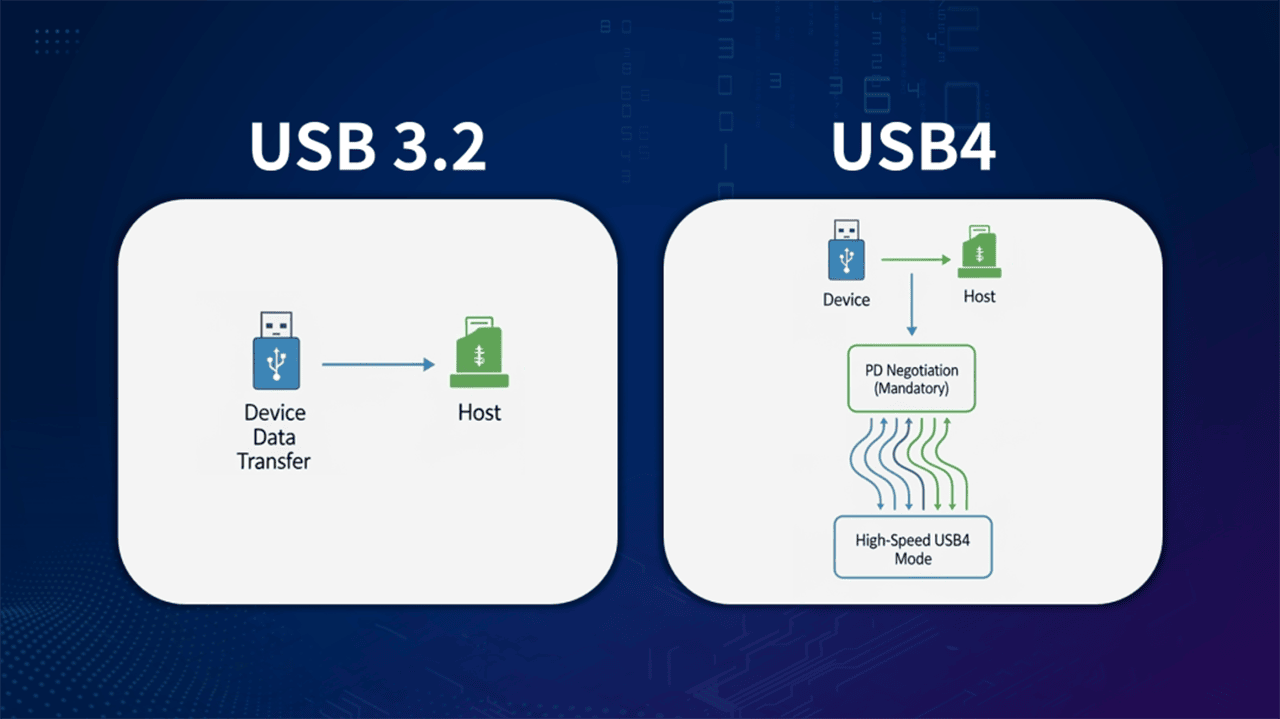
However, the link establishment process of USB4 is more complex and introduces a critical "gatekeeper" — the USB Power Delivery (PD) protocol. When a USB4 device is connected to a host, the two do not immediately establish a high-speed USB4 data link. Instead, they must first perform PD protocol communication through the USB-C Configuration Channel (CC) lines.
This process can be understood as a "qualification check." The host sends an identification request to the portable SSD via the PD protocol, and the SSD responds with its capabilities. Only when both parties confirm that they are USB4-compatible devices and successfully complete the power contract through the PD protocol does the host issue the command to "enter USB4 mode." At this point, the physical layer interface switches to the high-speed USB4 tunneling architecture, enabling data packet transmission over protocols including PCIe and DisplayPort, thereby unleashing the full 40Gbps potential.
In short, for USB4 devices, the PD protocol is a "mandatory" prerequisite for entering high-speed mode. Without PD, USB4 cannot be activated.
Limitations of Traditional Solutions: Cost and Design Challenges Arising from Additional PD Implementation
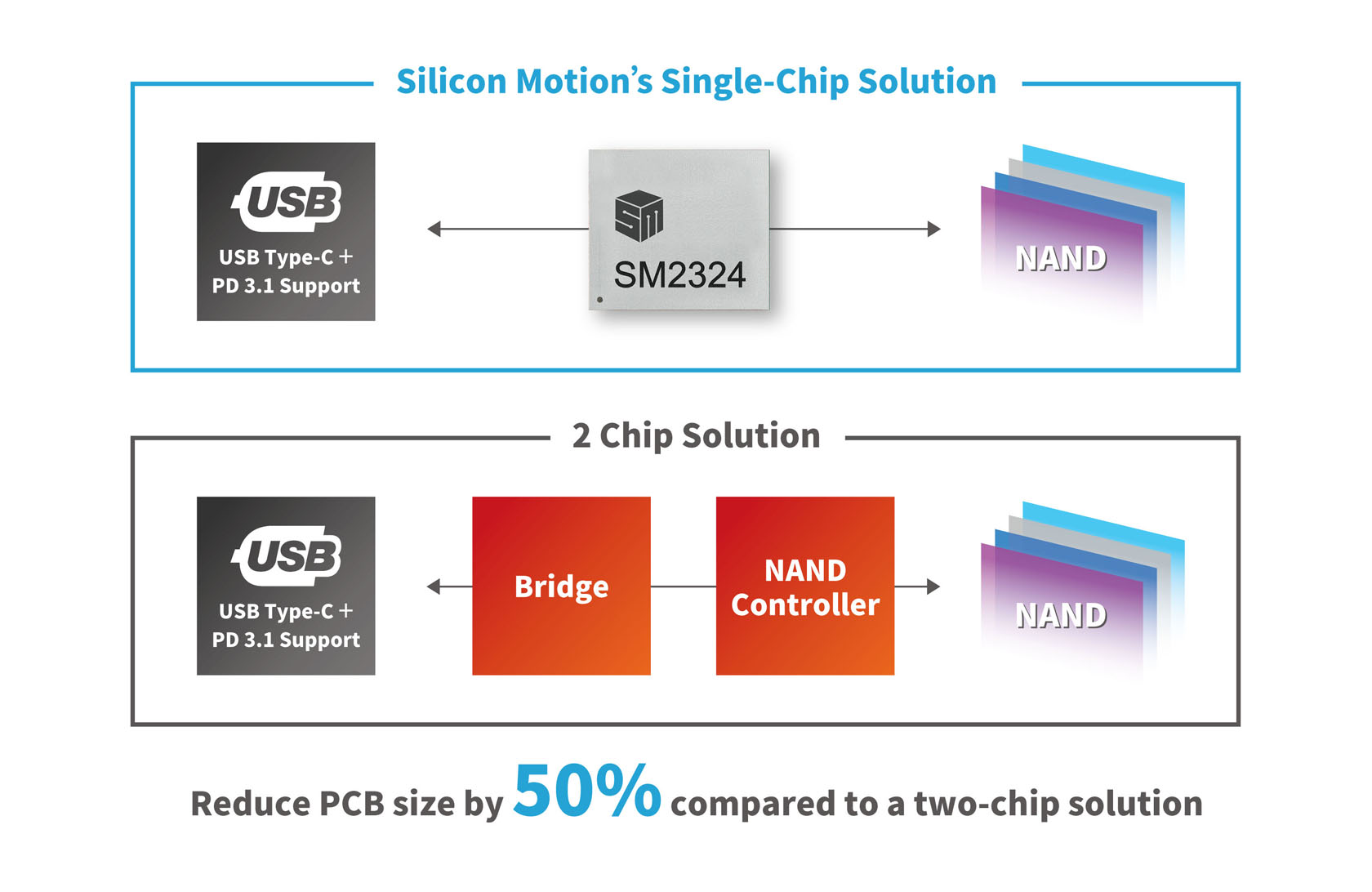
Prior to the introduction of Silicon Motion's SM2324, portable SSD manufacturers developing USB4 products typically had to adopt multi-chip solutions. This meant that in addition to requiring a controller responsible for data processing and flash memory management, PCB also needed a separate PD controller.
This "controller + external PD controller" architecture posed several challenges for OEM/ODM manufacturers:
- Increased Bill of Materials (BOM) Cost: Adding a separate PD controller directly raises hardware procurement costs and requires additional peripheral components (such as crystals and capacitors), further driving up the overall BOM cost.
- Increased Design Complexity and Product Size: Adding a controller within the limited internal space of a portable SSD necessitates a more complex PCB layout and routing, extending the development cycle. Meanwhile, the additional components make it challenging to achieve an ultra-slim and compact design, limiting industrial design flexibility.
- Complicated Supply Chain Management: Manufacturers must procure components from both the controller and PD controller suppliers, increasing the complexity and risks of supply chain and inventory management.
These factors undoubtedly hinder the rapid adoption and commercialization of USB4 portable SSDs.
Silicon Motion SM2324: Breaking Through with a Single-Chip Integrated Solution
Addressing market pain points and following the inevitable trend of technological development, Silicon Motion launched the SM2324, a highly integrated single-chip USB4 portable SSD controller. Functions that previously required a separate USB PD controller are now fully integrated into the chip. By combining NAND flash management, data bridging, and USB Power Delivery capabilities into a single solution, the SM2324 achieves a truly "all-in-one" design.
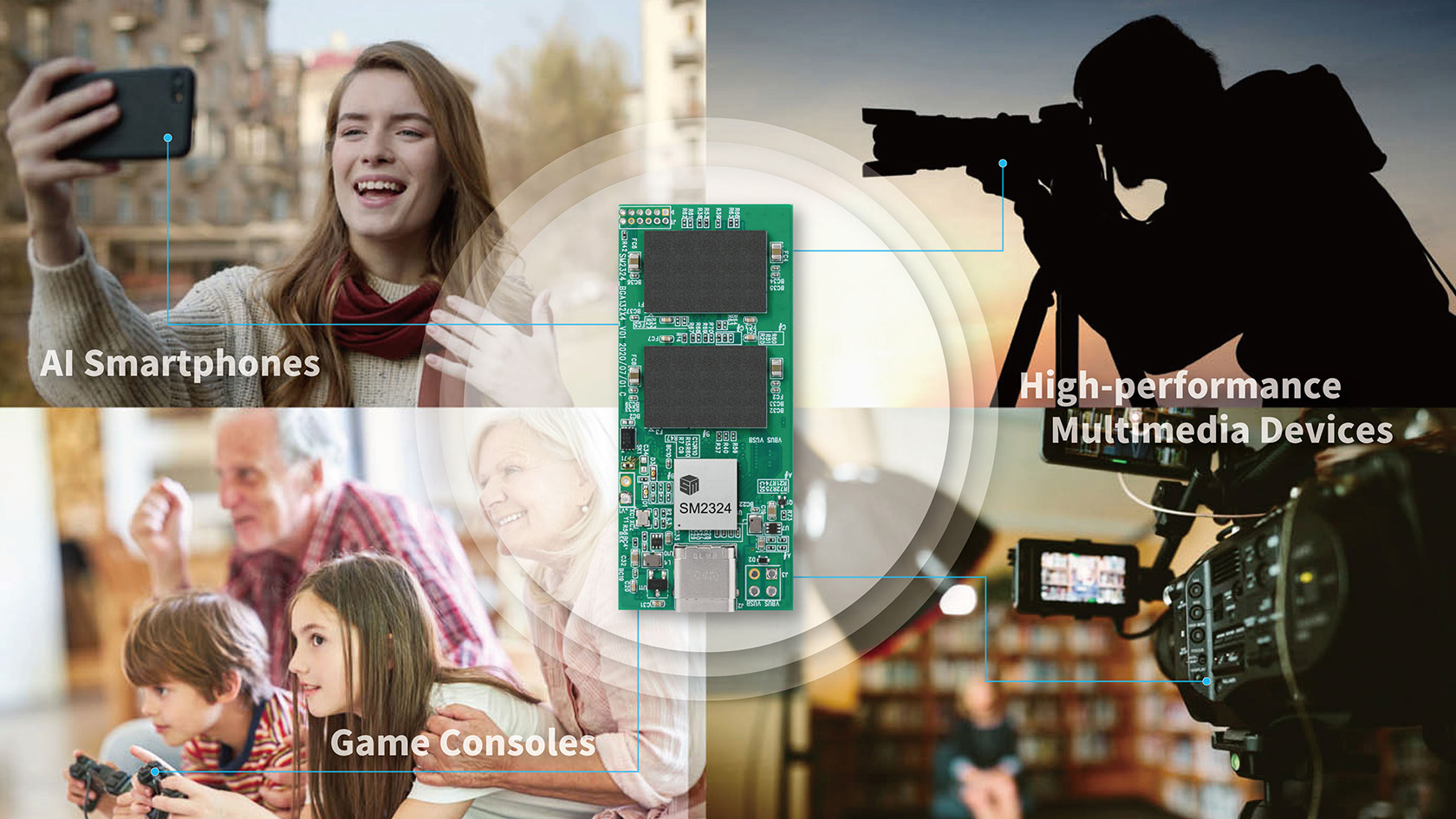
For OEM/ODM manufacturers focused on developing the next generation of high-performance portable storage products, the value brought by adopting Silicon Motion's SM2324 is clear:
- Lower Manufacturing Costs: The SM2324 single-chip solution eliminates the need for any external PD controller, significantly simplifying PCB design and substantially reducing BOM costs, enabling manufacturers to enter the market at a more competitive price.
- Smaller Product Size: High integration reduces the number of components and PCB area usage, providing greater design flexibility for portable SSDs. This allows for more compact and portable industrial designs, meeting modern consumers' dual demands for aesthetics and portability.
- Faster Time-to-Market: The simplified hardware design and supply chain lead to shorter development, testing, and validation cycles. Manufacturers no longer need to coordinate between different chip suppliers, effectively shortening the time from product development to market launch and enabling them to quickly seize market opportunities.
In summary, USB Power Delivery is no longer just an option for USB4 portable SSDs—it has become the "key" to unlocking their full performance. Through its innovative SM2324 controller, Silicon Motion seamlessly integrated this "key" into the core engine, not only fully meeting the technical requirements for USB4 link establishment but also eliminating traditional design barriers in cost, size, and development cycle through a highly integrated single-chip solution. The launch of the SM2324 undoubtedly lays the foundation for a new USB4 era in the portable SSD industry, providing OEM/ODM manufacturers with a mature and reliable high-performance solution.
Contact Us